Digital Art Is Becoming More Personal
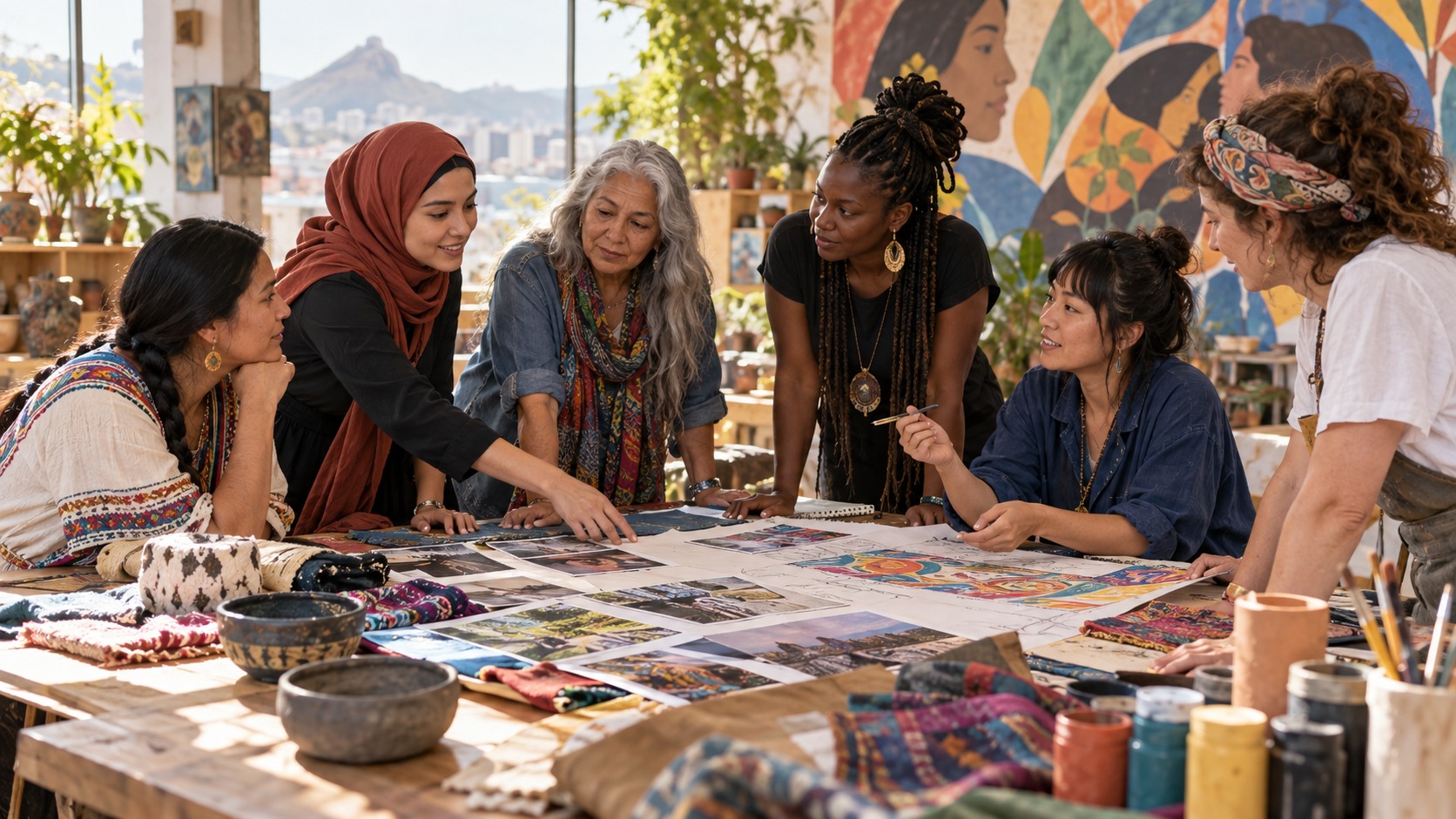
How Women Creators Are Redefining Art in the Digital Age is for readers who sense that creativity online is no longer separate from real cultural life. Women creators are using digital tools to make art more intimate, more participatory, and more accessible without giving up depth. Their work moves through screens, studios, archives, performances, and communities, showing that the digital age is not only about speed or novelty. It is also about authorship, memory, identity, and connection.
The Digital Age Changed the Studio Door
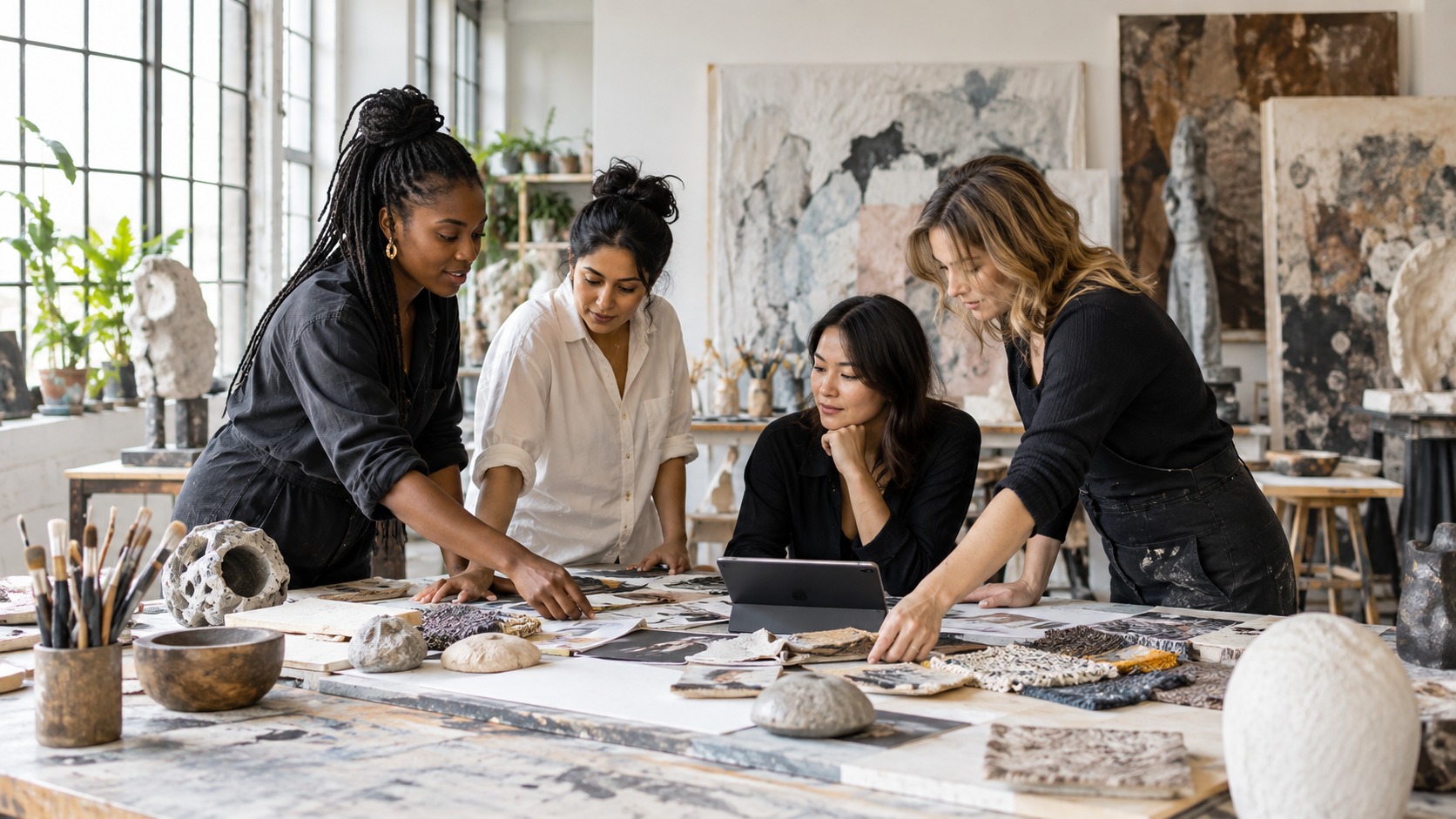
The digital age did not replace the studio. It changed where the studio opens. A woman creator can develop a piece at a desk, test it on a tablet, share a fragment online, receive questions from viewers in another country, revise the work, print it, project it, perform beside it, and later archive it on her own site. That movement across spaces has altered what creative practice looks like.
For many women artists, this matters because access has always been uneven. Traditional art systems often favored people with proximity to major cities, expensive schools, influential networks, and available time. Digital tools do not erase those barriers, but they can create additional routes. A creator can build an audience before receiving institutional approval. She can document process, teach, sell, collaborate, and publish with more control than earlier generations had.
The open door comes with pressure. Online visibility can reward speed, repetition, and simplification. The most thoughtful women creators are not simply chasing reach. They are asking how digital space can hold complexity, how audiences can be invited into process without consuming everything, and how creative independence can survive inside platforms designed to capture attention.
That question has become central to the digital age. A creator may need visibility to earn, collaborate, or be discovered, yet constant visibility can make experimentation feel risky. Women are redefining digital art partly by inventing boundaries around the open studio door. They share enough to build trust while keeping enough private for the work to grow without being prematurely judged.
Hybrid Work Feels True to Modern Life
One reason women creators are redefining digital art is that hybrid work reflects how people actually live. Most people now move between physical rooms and digital spaces all day. Memory exists in family objects and phone galleries. Friendship exists at kitchen tables and in messages. Identity is shaped through bodies, places, cameras, feeds, and archives at once. Hybrid art can hold that layered reality.
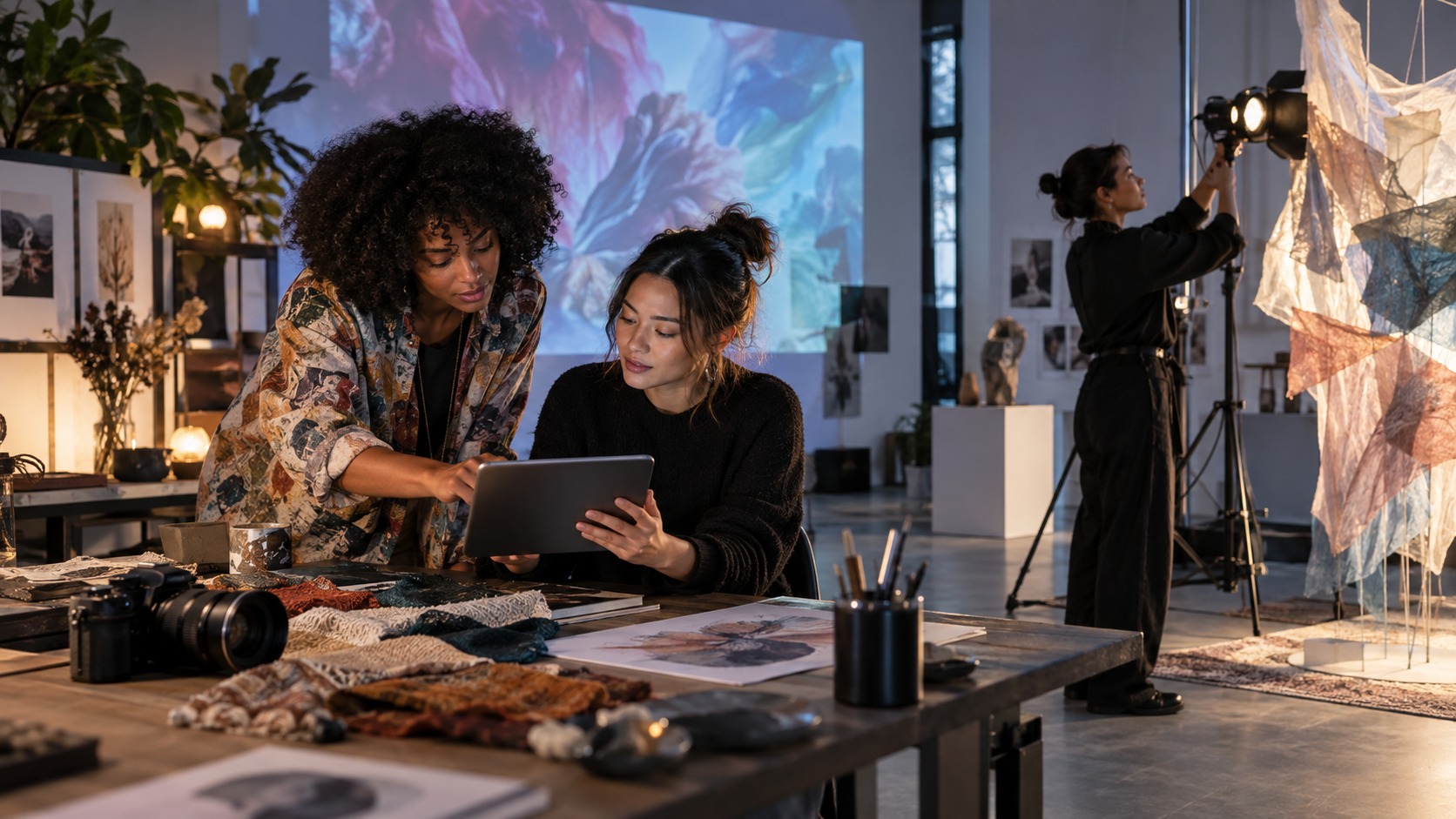
A digital projection over fabric, a video built from family photographs, a sculpture activated by sound, or a drawing extended through animation can feel more accurate than a single medium. The goal is not to prove that the artist has mastered every tool. The goal is to choose the form that best carries the emotional and cultural pressure of the subject.
Women creators are especially strong in this area when they refuse the false split between technology and tenderness. A screen can feel cold when used carelessly, but it can also preserve a voice, enlarge a gesture, connect distant communities, or make a private archive visible. The medium becomes meaningful when it serves the human stakes.
Online Audiences Are Becoming Part of the Work
Digital platforms have changed the relationship between artist and audience. Viewers no longer encounter finished work only after a gallery, publisher, or critic has framed it. They may see the research, the failed experiment, the studio mess, the installation day, the artist’s explanation, and the public response. This can create intimacy, but it also changes responsibility on both sides.
For women creators, audience building can be a source of power. It allows artists to speak in their own voice, correct misunderstanding, and connect with people who recognize themselves in the work. It can also create economic support through commissions, classes, memberships, print sales, and events. The audience becomes more than a number. It becomes a community of attention.
Still, the healthiest digital creators keep boundaries. Not every idea is ready for public reaction. Not every process needs to be explained. Not every comment deserves influence. Redefining art in the digital age includes deciding what remains private, what is shared, and how the artist’s energy is protected.
Technology Raises New Questions About Credit
The digital age has made copying effortless. Images can be saved, reposted, altered, and detached from their origin within seconds. Women creators are responding by becoming more literate about credit, licensing, contracts, metadata, editioning, and platform rules. These may sound like administrative concerns, but they shape creative freedom.
Credit is not vanity. It is how audiences find the artist, how opportunities travel, and how the cultural record stays accurate. When women’s work circulates without names or context, old patterns of erasure repeat in a new format. Protecting authorship is part of protecting the future of art.
The rise of artificial intelligence and automated tools has intensified these questions. Many creators are not anti-technology, but they are asking for consent, transparency, and fair use of source material. The most important conversation is not whether tools are new. It is whether the people whose work, faces, voices, and histories feed those tools are respected.
These questions are not abstract for women creators whose work is frequently reposted, imitated, or detached from their names. Credit affects income, safety, authority, and opportunity. A digital artist who loses control of context may also lose the ability to explain what the work means, who it honors, and where it should not be used. That is why digital literacy is becoming part of creative practice itself.
Digital Tools Can Make Art More Accessible
Accessibility is one of the digital age’s real possibilities. A person who cannot travel to an exhibition may still experience an artist talk, virtual gallery, studio tour, or online class. Captions, image descriptions, transcripts, adjustable pacing, and recorded events can make creative culture more reachable. Women creators who think carefully about access are expanding who gets to participate.
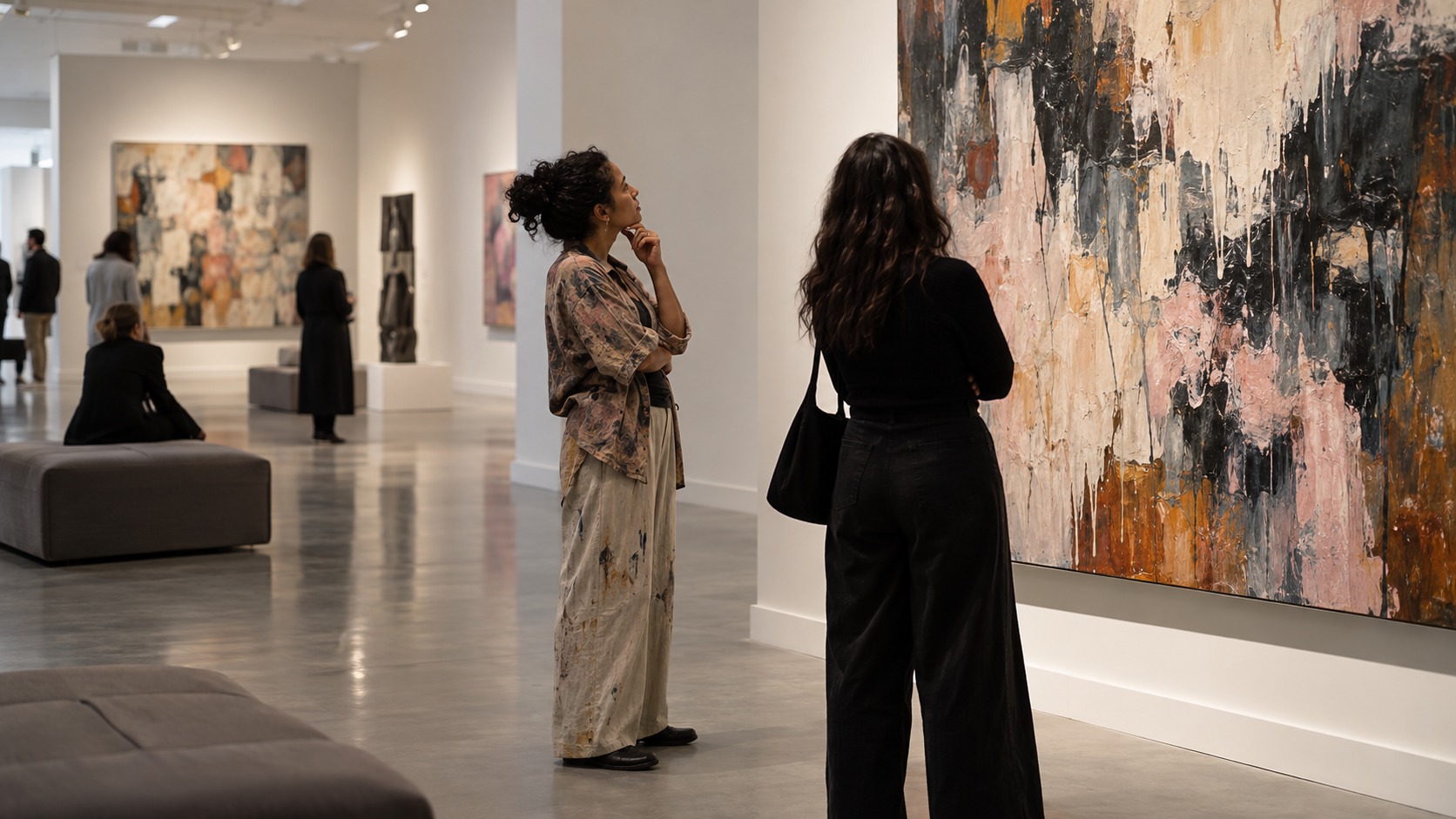
This does not mean every digital experience equals being in the room. Scale, texture, sound, and presence matter. A painting seen on a phone is not the same as a painting encountered at full size. But digital access can become an invitation rather than a substitute. It can help someone discover the work, understand the context, and decide to follow the artist more deeply.
Accessibility also changes who gets to become a creator. A person with caregiving responsibilities, limited mobility, rural distance, or a tight budget may learn through online workshops, watch process videos, or connect with peers before entering a formal arts space. Women creators who share knowledge generously are not only building audiences. They are widening the path for the next person who needs proof that her creative life can begin from where she already is.
The Creator Is Becoming a Publisher and Curator
Women creators in the digital age often wear several roles at once. They make the work, photograph it, write about it, design the release, manage the archive, answer questions, ship prints, host conversations, and decide how the work should be grouped. This expanded role can be exhausting, but it also gives artists more control over meaning.
In older systems, context was often supplied after the fact by critics, galleries, or institutions. Now creators can publish their own context. They can explain research, honor collaborators, name influences, and correct assumptions. They can also curate related works so audiences understand a practice as a long conversation rather than a single viral image.
That control is especially important for women whose work touches identity, culture, body, family, or trauma. Without context, audiences may simplify the piece into confession or trend. With thoughtful self-publishing, the artist can guide viewers toward craft, structure, history, and intention.
The Best Digital Work Still Requires Discipline
Because digital tools are widely available, people sometimes underestimate the discipline behind strong digital art. A beautiful piece may require drawing, editing, coding, filming, lighting, sound design, research, writing, installation planning, and repeated revision. The ease of opening software should not be confused with the difficulty of making meaningful work.
Women creators are helping audiences see that digital practice has its own rigor. Composition still matters. Timing matters. Color matters. Consent matters. File quality, preservation, and display matter. Even a short video or digital collage can hold many decisions that are invisible when someone scrolls past it in two seconds.
The challenge is to slow the viewer’s attention. Some creators do this with layered imagery, intimate narration, tactile materials, or live events that extend the digital piece into a shared space. Others use restraint, asking audiences to sit with quiet movement or small changes. In both cases, discipline becomes a form of respect for the work and the viewer.
A More Human Digital Future
The future women creators are shaping is not a world where art becomes less physical, less serious, or less human. It is a world where creative practice can move across forms while staying rooted in intention. The strongest digital-age work does not worship technology. It uses technology to ask more precise questions about how people see, remember, desire, connect, and belong.
For readers, the best way to engage is to look beyond the novelty of the tool. Ask what the work makes possible. Ask whose voice is clearer because of the format. Ask how the artist protects meaning as the image travels. Women creators are redefining art in the digital age by proving that innovation is not only a technical achievement. It is also an ethical, emotional, and cultural one.
That distinction will become more important as tools become easier to use. When anyone can generate, filter, remix, or distribute an image quickly, the artist’s judgment becomes even more valuable. The future belongs not to the person who can press the fastest button, but to the creator who knows why an image should exist, what it owes to its sources, and how it should meet an audience.
Women creators are also modeling a healthier relationship to visibility. Some are choosing smaller communities over viral reach, direct patronage over platform dependency, or slower releases over constant production. Those choices matter because digital culture can make artists feel permanently behind. A more human digital future allows creators to use tools without being used up by them.
The cultural importance of this work will likely grow as digital images become easier to produce and harder to trust. Audiences will need artists who can bring context, restraint, ethics, and emotional intelligence to the tools. Women creators are already showing that the digital age does not have to mean less depth. It can mean more ways to connect the hand, the screen, the archive, the body, and the audience in one thoughtful practice.
That is why their work should be judged by more than technical novelty. The better question is whether the piece changes attention. If a digital work helps someone understand memory, intimacy, authorship, or power with more care than before, then the tool has served the art.
The digital age will keep changing, but that standard can hold. Tools will update, platforms will fade, and formats will shift. The creators who endure will be the ones whose work still feels intentional after the technology stops feeling new.