Media Culture Changes When More Women Shape the Frame
Women in Media: How Female Voices Are Changing Culture is for readers who want to understand why representation on screen, in podcasts, in journalism, and across social platforms affects everyday life. Female voices in media do more than add variety. They change which stories are pursued, whose expertise is trusted, how audiences recognize themselves, and how culture talks about power, work, beauty, safety, family, money, ambition, and joy.
The Frame Shapes the Story
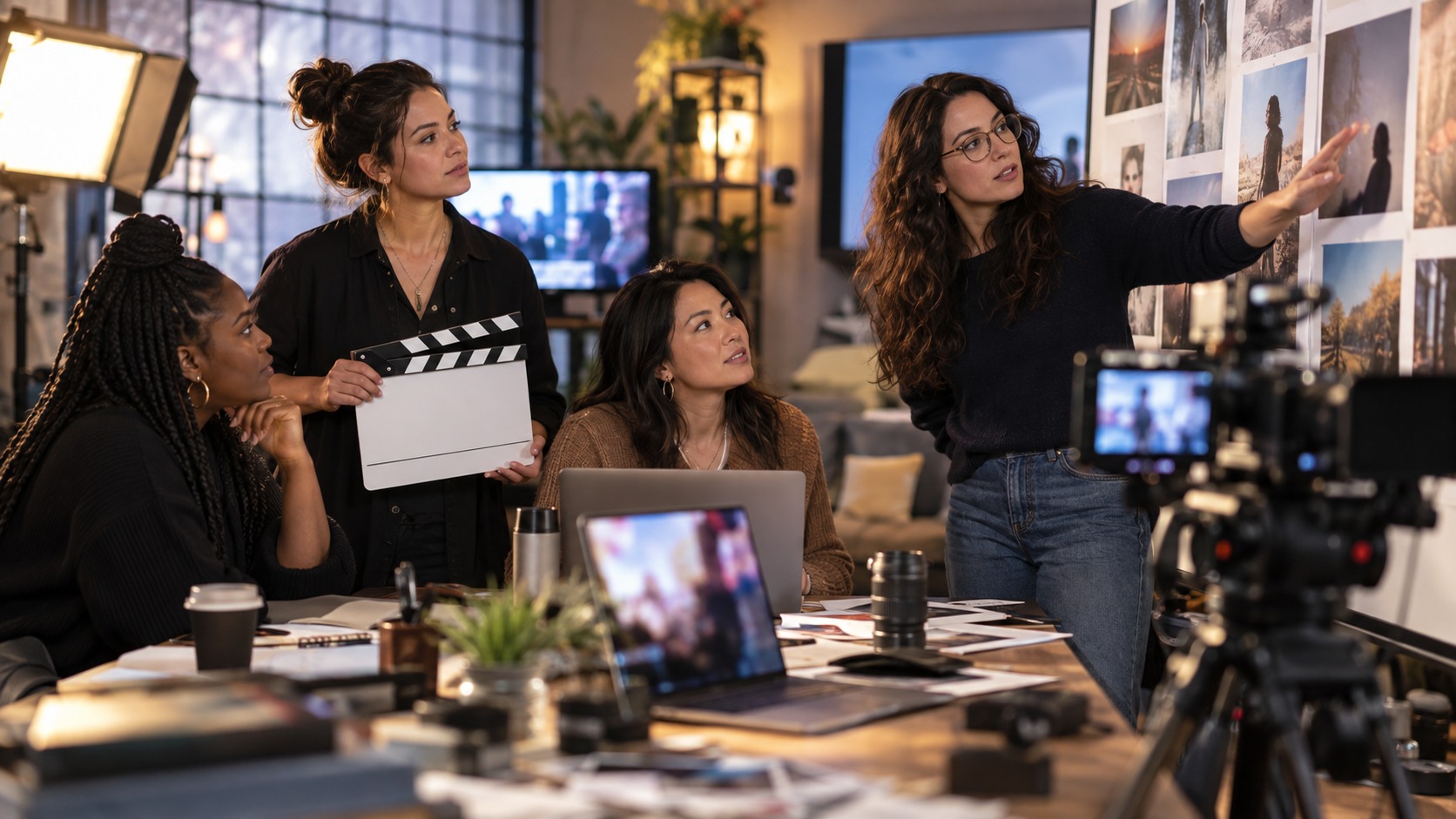
Media does not simply show culture. It frames culture. The angle of an interview, the source list in a reported piece, the camera’s gaze, the edit of a documentary, the host’s follow-up question, and the headline all shape what audiences understand. When more women hold those framing roles, the public conversation changes.
Female voices in media are not valuable because women automatically agree with one another. They are valuable because they widen the range of lived experience, questions, and instincts inside the process. A woman journalist may notice a labor issue hidden inside a lifestyle trend. A woman producer may challenge a scene that treats danger as entertainment. A woman host may ask an expert about care, money, or safety because she knows those details change the story.
The frame matters because audiences often mistake it for reality. If media repeatedly shows women as side characters, emotional accessories, perfect mothers, chaotic professionals, or objects of judgment, those patterns affect what people expect in real life. Changing the frame changes the imagination.
Women Are Expanding What Counts as Expertise
One major cultural shift is the growing recognition of women as experts across more subjects. For too long, media relied heavily on male voices for authority, even on topics that deeply affected women’s lives. That pattern shaped public trust. It taught audiences whose analysis sounded official and whose experience sounded anecdotal.
Women in media are challenging that imbalance by sourcing scientists, lawyers, organizers, athletes, artists, doctors, economists, technologists, historians, and community leaders with greater care. They are also showing that lived experience and formal expertise can strengthen each other when handled responsibly. A story about maternal health, pay equity, online harassment, caregiving, or beauty standards becomes more accurate when women’s knowledge is not treated as a footnote.
This shift has practical consequences. Better source habits can change policy debates, consumer choices, workplace conversations, and personal confidence. When a viewer hears a woman explain an issue with authority, it becomes easier for other women to imagine their own knowledge as credible.
Entertainment Is Moving Beyond Flat Female Characters
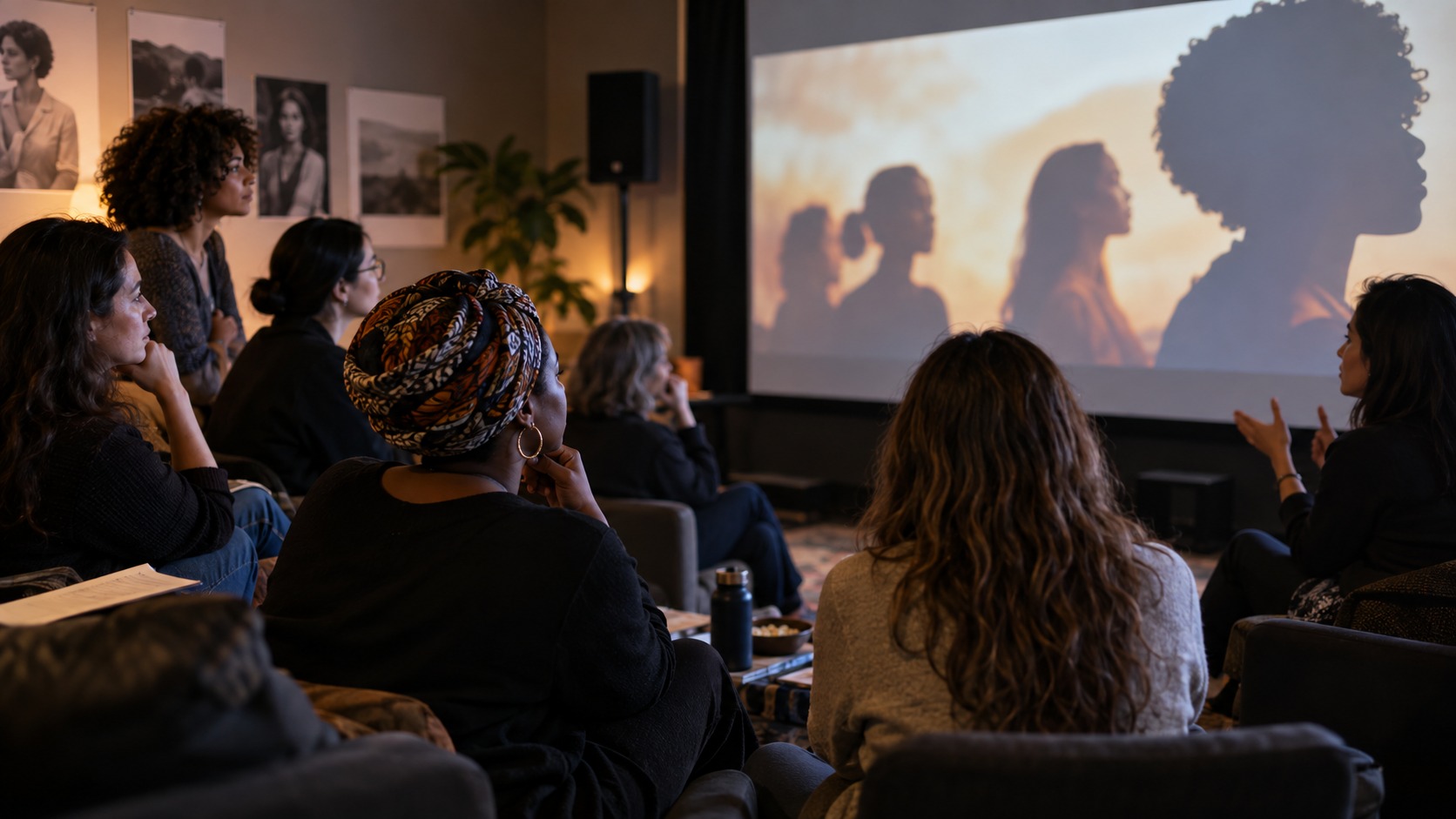
Film, television, streaming, and digital series have enormous power to shape emotional expectations. For decades, many female characters existed mainly to support someone else’s journey, soften a male lead, provide visual appeal, or represent a lesson. Women in media are pushing for characters who are not only present but fully written.
This does not mean every female character must be admirable. In fact, one sign of progress is the freedom for women characters to be difficult, funny, selfish, brilliant, tired, ambitious, wrong, tender, and unresolved. Complexity is a form of respect. It allows women on screen to resemble human beings rather than cultural instructions.
Behind the scenes, female writers, directors, editors, actors, showrunners, and producers affect these choices. They can challenge lazy motivation, question camera language, protect emotional truth, and insist that women’s friendships, work, sexuality, age, and anger deserve real narrative space.
Audio Has Become a Powerful Space for Women’s Voices
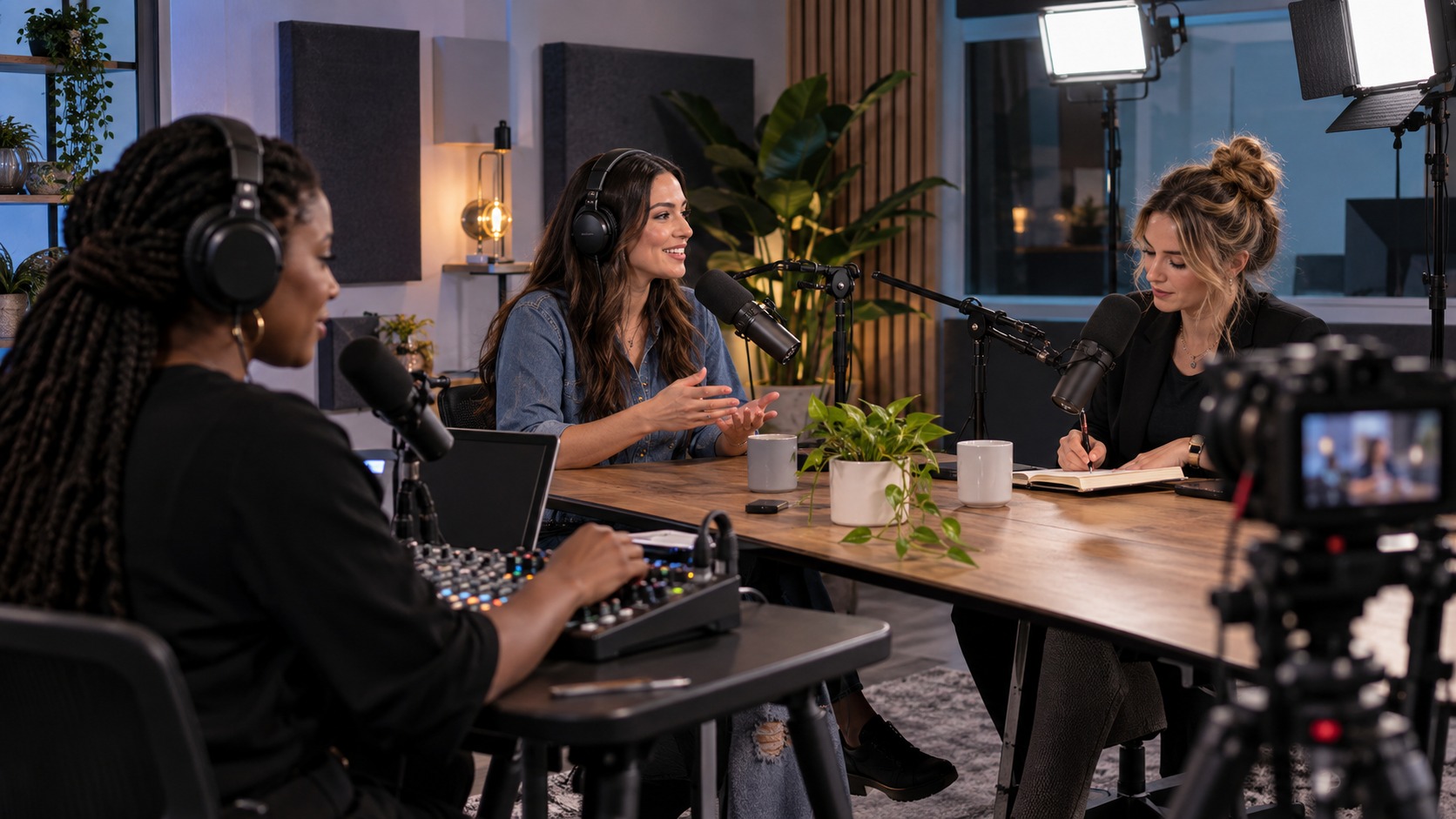
Podcasting and audio storytelling have become especially important for women in media because they reward voice in the literal sense. Tone, pause, laughter, hesitation, and follow-up questions all carry meaning. A long conversation can reveal expertise and personality in ways that short clips cannot.
Women-led podcasts have built influential communities around news, culture, wellness, business, politics, books, motherhood, sexuality, grief, entrepreneurship, and entertainment. The best of them do more than chat. They create trust through consistency, research, vulnerability, humor, and the feeling that a listener is being included in a serious conversation without being talked down to.
Audio can also reach people during ordinary routines: commuting, cooking, walking, cleaning, resting. That intimacy gives women media makers a different kind of cultural presence. They become part of how audiences think through daily life.
Social Platforms Create Opportunity and Pressure
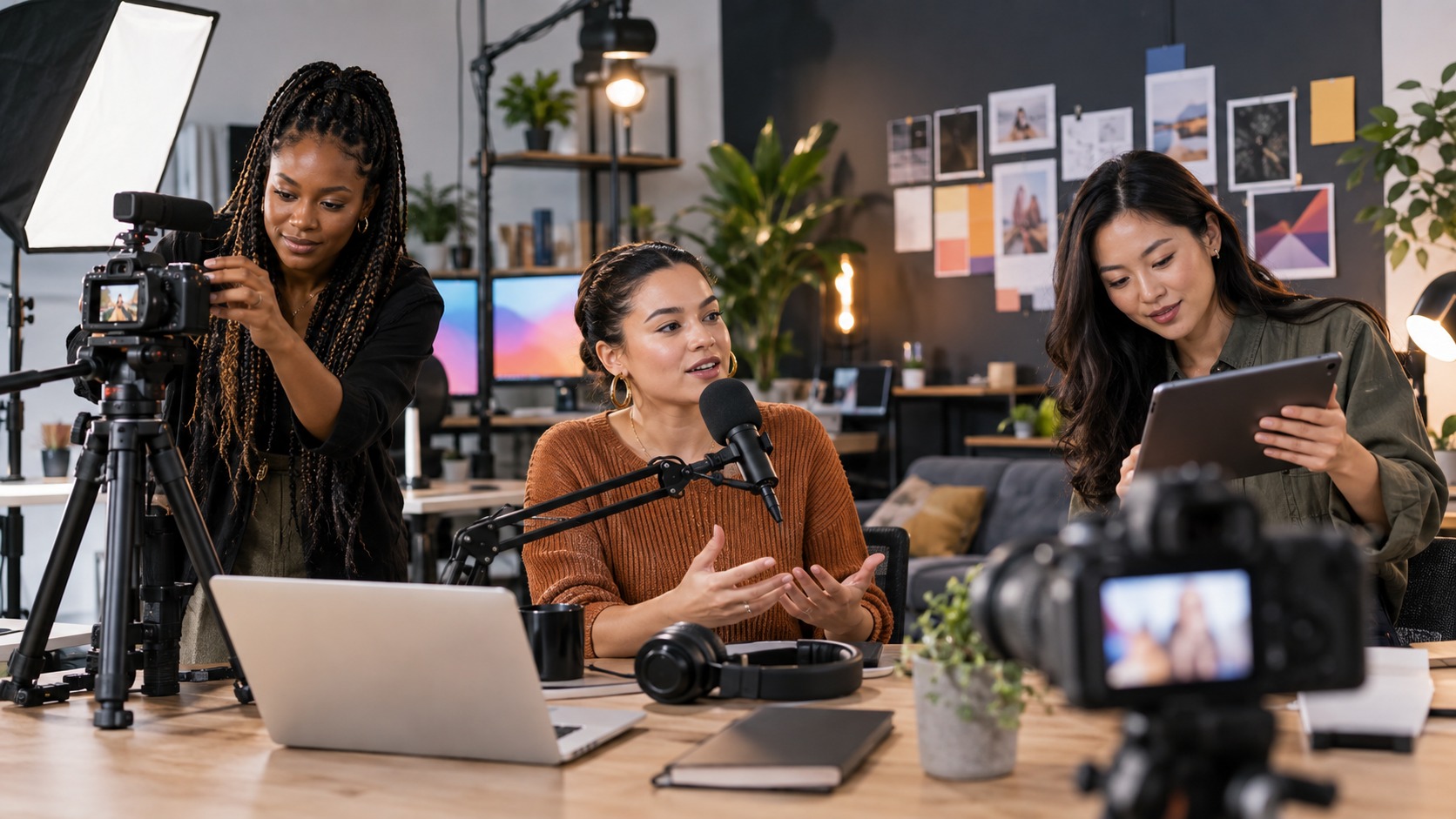
Social media has allowed women to build media careers without waiting for traditional institutions. A creator can report from her community, explain financial concepts, review films, analyze fashion, discuss politics, teach history, or interview guests from a small studio. Direct access has opened doors that legacy systems kept narrow.
But the same platforms create pressure. Algorithms reward speed, conflict, beauty, repetition, and constant availability. Women creators may face harassment, theft, appearance-based criticism, and the expectation to turn personal life into content. The opportunity is real, but so is the cost.
The women changing culture most sustainably are learning to use platforms without surrendering entirely to them. They build newsletters, websites, memberships, production companies, archives, and live events. They treat social visibility as one doorway, not the whole house.
This distinction matters for audiences too. If people discover a woman media maker through a short clip, the next step is to find the fuller work: the article, episode, film, book, newsletter, or live conversation. Strong media culture depends on viewers who are willing to move beyond the fastest format when a story deserves more room.
Media Workplaces Shape the Stories Audiences Receive
Culture changes not only through what appears on screen or in print, but through the workplaces that produce it. If women in media face pay gaps, harassment, unstable contracts, limited promotion, or punishment for speaking up, those conditions affect the stories audiences receive. A newsroom or production set cannot tell the full truth while silencing people inside it.
Women leaders, unions, organizers, and advocates have pushed media workplaces to address safety, equity, parental support, credit, and advancement. These internal changes may seem separate from content, but they are connected. A safer workplace makes it easier to challenge a harmful edit. A fairer promotion path makes it more likely that women shape budgets and strategy. A respectful production culture affects who stays in the industry long enough to lead.
Workplace culture also affects what younger women believe is possible. If the only path to success requires tolerating disrespect, endless availability, or credit theft, talented people leave. When workplaces build better norms, they do not only protect current employees. They preserve future voices that audiences have not heard yet.
Audience Expectations Are Becoming Smarter
Audiences are also changing. Many viewers, listeners, and readers now ask sharper questions about media: Who made this? Who benefits from this framing? Who was interviewed? Who was left out? Why is this woman described by appearance when a man would be described by achievement? Why is pain used as drama without care for the person experiencing it?
This audience literacy strengthens women’s media influence. When people notice shallow patterns, creators and institutions feel pressure to improve. Better audiences support better media by rewarding depth, subscribing to independent work, sharing responsibly, and refusing to treat representation as a decorative checklist.
The relationship between women media makers and audiences can become a feedback loop of higher standards. The creator offers nuance. The audience learns to expect it. That expectation makes room for more ambitious work.
Changing Culture Requires Ownership
The next stage for women in media is not only visibility or participation. It is ownership. Ownership means control over companies, catalogs, production budgets, distribution channels, intellectual property, and long-term strategy. Without ownership, women may create cultural value while others control its scale and profit.
This is why women-founded media companies, production studios, podcast networks, newsletters, and digital publications matter. They create structures where female voices can set priorities rather than constantly pitching for permission. They can decide which audiences are worth serving, which stories deserve patience, and which business models align with trust.
For readers, the takeaway is clear: female voices in media are changing culture because they are changing the frame, the source list, the character, the workplace, the platform, and the business model. The more women shape those layers, the more accurate and imaginative culture becomes.
Ownership also protects patience. A woman-owned or women-led media project can decide that a complicated story deserves months of reporting, that a niche audience is worth serving well, or that trust matters more than a traffic spike. Those decisions shape culture in quieter ways than a viral moment, but they may last longer.
The cultural change is already visible in how audiences talk back. People now question who is missing, who profits, who gets believed, and who controls the edit. Female voices in media have helped make those questions mainstream. The next challenge is making sure the women asking them have the resources, safety, and ownership to keep going.
That challenge is especially important because media influence compounds. A single story can affect public sympathy, but repeated framing can affect law, hiring, medicine, education, and family expectations. When female voices help reshape repeated framing, they are not only changing entertainment or commentary. They are changing the background assumptions people carry into decisions.
The work is not finished when a woman appears on camera or hosts a successful show. The deeper change happens when women can choose the question, shape the edit, own the platform, hire the team, protect the source, and decide what counts as success. That is where media becomes cultural power rather than momentary visibility.
Audiences have a role in that power. They can reward careful reporting, long-form conversation, ethical production, and women-led ownership with attention and money. They can also refuse media that uses women’s pain, beauty, or conflict as cheap fuel. Culture changes faster when audiences become more discerning about what they help amplify.
That discernment matters because media habits become social habits. If audiences repeatedly choose stories that treat women as full people, workplaces, brands, studios, and newsrooms notice. If they reward shallow framing, shallow framing grows. Female voices are changing culture, but the change becomes stronger when audiences recognize quality and support it consistently.
The most hopeful part of this shift is that it creates more room for future voices. A young woman watching a director, journalist, podcaster, editor, critic, or producer lead with authority may begin to imagine herself inside the field. Media culture changes one story at a time, but also one permission at a time.
That permission becomes practical when it is backed by hiring, mentorship, ownership, and fair pay. Inspiration opens a door, but infrastructure keeps it open. Women in media are changing culture most powerfully when their voices lead to systems that make room for the next generation to speak with even more freedom.
The result is a media culture that can tell fuller stories with better questions. That is not a niche improvement. It affects how everyone understands the world they share, and how they imagine their own place inside it with confidence.
Better questions become better mirrors, and better mirrors change public imagination for viewers, listeners, creators, and future leaders.